

Tresiba Patient Assistance Program
Tresiba is a long-acting basal insulin prescribed for adults and children aged 1 year and older with diabetes to help control blood sugar levels. Along with diet and exercise, it works by replacing the insulin the body no longer produces or uses properly.
Living with diabetes means needing insulin every single day to prevent blood sugar from reaching dangerous levels. The ongoing need creates hardship for many families trying to get their essential medication. Patient Assistance Programs (PAPs) offer a solution for people meeting certain criteria.

How Prescription Details Affect Tresiba Assistance Eligibility
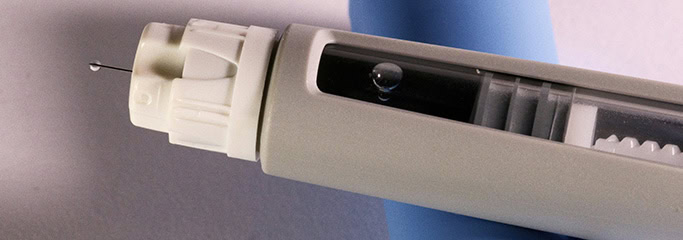
About the Tresiba Patient Assistance Program
Children and adults with diabetes face unique challenges when basal insulin becomes out of reach. Assistance programs exist to remove that gap.
You provide your endocrinologist’s or primary care physician’s prescription and documentation showing household income. Patient Help Network handles enrollment paperwork, secures medical verification from your diabetes care team, files complete applications with the manufacturer, and monitors approval status.
If approved, Tresiba ships directly to your front door, eliminating any concerns you may have about consistent treatment.
How Tresiba Works
Your body depends on insulin to move glucose from your bloodstream into cells where it provides energy. Without sufficient insulin, glucose accumulates to levels that gradually destroy blood vessels, damage nerves, and harm organs. Tresiba delivers ultra-long basal insulin coverage extending beyond 42 hours per dose.
You inject Tresiba once daily, ideally at the same time each day for consistency. However, the extended duration means missing your usual time by several hours won’t leave you without coverage. Your doctor calculates starting doses using your body weight, any insulin you’re currently taking, and your typical glucose patterns. Adjustments happen gradually based on glucose meter readings.
Side Effects and Safety Information
Insulin carries predictable risks that users must recognize and prepare for. Hypoglycemia tops the list as both the most frequent complication and potentially the most dangerous. Your blood sugar drops too low when insulin exceeds what your body needs based on food and activity. You may feel shaky, start sweating, notice your heart racing, struggle to think clearly, and experience blurred vision. Severe hypoglycemia can lead to seizures or loss of consciousness if untreated.
Keep glucose tablets, juice, or fast-acting carbohydrates accessible at all times.
Injection sites commonly develop redness, swelling, or itching. Rotating between different body areas reduces this problem. Your body might add pounds as improved glucose control allows you to retain nutrients. Hands and feet sometimes swell when starting insulin or increasing doses. Potassium levels can drop, causing muscle weakness or abnormal heart rhythms.
Insulin errors present life-threatening dangers. Always verify you’re holding the correct insulin before every injection.
Step 1 – Submit Application
Provide basic prescription and household information to begin the application process.
Step 2 – Application Review
Information is reviewed and submitted to appropriate Patient Assistance Programs.
Step 3 – Program Decision
Final eligibility decisions are made by each program. Additional steps or renewals may be required.
PHN will contact you within 24 hours to discuss your situation and help identify appropriate next steps for the application process.


How it applies / Eligibility
Patient assistance programs evaluate applications based on specific eligibility criteria. To be eligible, a person must meet these requirements:
- Single patients earning less than $40,000 per year
- Couples making under $60,000 combined yearly
- Households with three or more people bringing in below $100,000 annually
- Active Tresiba prescription from your healthcare provider
- Proof of U.S. citizenship or legal residency
- Limited or inadequate prescription drug coverage for Tresiba
Income represents only one factor among several that manufacturers consider. Each program weighs different criteria when deciding who qualifies, and every application gets evaluated individually. Some programs maintain waiting lists depending on available capacity, so applying early improves your chances of timely enrollment.

Frequently asked questions (FAQ`s)
When a manufacturer denies an application, they typically provide a reason. Common reasons include income exceeding program limits, adequate prescription coverage, or incomplete documentation. You may reapply if circumstances change or if additional documentation addresses the reason for the denial.
Most programs require annual renewals to confirm ongoing eligibility. This involves resubmitting income documentation and verifying an active prescription once a year. Missed renewals may require reapplication to the program.
You typically need a current prescription for Tresiba from a licensed healthcare provider, documentation of annual household income, proof of U.S. citizenship or legal residency, and information about current prescription drug coverage.
Patient Help Network manages the application process from start to finish. We verify whether you meet basic requirements, collect necessary documents, coordinate with your healthcare provider, and submit complete applications.
There is currently no FDA-approved generic version of Tresiba available in the United States. The medication remains under patent protection.
Processing times vary based on application volume and the manufacturer’s current review schedule. Patient Help Network follows up on submitted applications and provides updates throughout the review process to help keep you informed.
Yes. Manufacturers may adjust income limits, coverage requirements, or other criteria. Patient Help Network stays current with program requirements and informs applicants of any changes that affect their eligibility.
Associated Conditions & Medications

