

Ozempic Patient Assistance Program
Ozempic (semaglutide) is a once-weekly injection prescribed to help manage type 2 diabetes in adults. Along with diet and exercise, it works by helping the body regulate blood sugar levels and belongs to a class of medications called GLP-1 receptor agonists.
Ozempic is also prescribed to reduce the risk of major cardiovascular events in adults with type 2 diabetes and known heart disease, and to reduce the risk of kidney disease worsening, kidney failure, and cardiovascular death in adults with type 2 diabetes and chronic kidney disease.
Accessing Ozempic can be challenging when prescription coverage is limited. Patient Assistance Programs (PAPs) offer a solution for people who meet certain criteria. These programs are run and funded by pharmaceutical manufacturers to support ongoing treatment access for those who are uninsured or whose current coverage does not adequately support their treatment needs.

How Prescription Details Affect Ozempic Assistance Eligibility
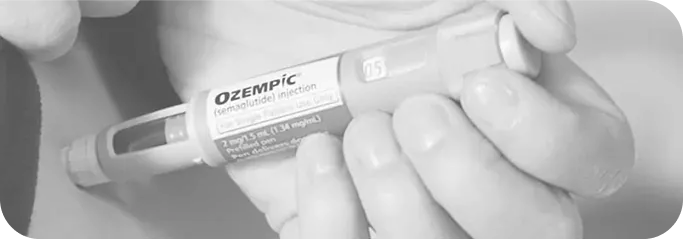
About the Ozempic Patient Assistance Program
Novo Nordisk offers these assistance programs specifically for adults with type 2 diabetes who struggle to afford their medication. Once enrolled, qualifying patients receive Ozempic at reduced or no cost, ensuring continuous access to blood sugar management.
You provide your healthcare provider’s prescription and documentation showing household income. Patient Help Network handles enrollment paperwork, secure medical verification from your diabetes care team, file complete applications with the manufacturer, and monitor approval status. If approved, Ozempic ships directly to your house, removing financial barriers to consistent treatment.
How Ozempic Works
Understanding how this medication works to manage diabetes helps explain why consistent access matters. Ozempic contains semaglutide, which mimics a natural hormone called GLP-1. This hormone helps the pancreas release insulin when blood sugar rises, reduces glucose release from the liver, and slows gastric emptying.
The medication is administered via a pre-filled pen as a subcutaneous once-weekly injection typically given in the abdomen, thigh, or upper arm. Dosing typically starts low and increases gradually to minimize side effects while achieving effective blood sugar control.
Side Effects and Safety Information
Like all diabetes medications, Ozempic can cause potential side effects that patients should understand before starting treatment. The most common side effects may include nausea, vomiting, diarrhea, stomach pain, and constipation.These may occur after starting treatment or after the dosage is increased. These effects may diminish as your body adjusts to the medication.
Ozempic may contribute to hypoglycemia when used with insulin or an insulin secretagogue.
Less common but more serious side effects may include but are not limited to pancreatitis, changes in vision, kidney problems, and gallbladder issues. Patients experiencing severe abdominal pain, changes in vision, decreased urination or any other severe side effects should contact their healthcare provider immediately.
Ozempic carries a warning about thyroid tumors based on animal studies, and is contraindicated in people with a personal or family history of medullary thyroid carcinoma or multiple endocrine neoplasia syndrome type 2.
Step 1 – Submit Application
Provide basic prescription and household information to begin the application process.
Step 2 – Application Review
Information is reviewed and submitted to appropriate Patient Assistance Programs.
Step 3 – Program Decision
Final eligibility decisions are made by each program. Additional steps or renewals may be required.
PHN will contact you within 24 hours to discuss your situation and help identify appropriate next steps for the application process.


Eligibility Requirements
Patient assistance programs evaluate applications based on specific eligibility criteria. To be eligible, a person must meet these requirements::
- Single patients earning less than $40,000 per year
- Couples making under $60,000 combined yearly
- Households with three or more people bringing in below $100,000 annually
- Active Ozempic prescription from your healthcare provider
- Proof of U.S. citizenship or legal residency
- Limited or inadequate prescription drug coverage for Ozempic
Income represents only one factor among several that manufacturers consider. Each program weighs different criteria when deciding who qualifies, and every application gets evaluated individually. Some programs maintain waiting lists depending on available capacity, so applying early improves your chances of timely enrollment.

Frequently asked questions (FAQ`s)
When a manufacturer denies an application, they typically provide a reason. Common reasons include income exceeding program limits, adequate prescription coverage, or incomplete documentation. You may reapply if circumstances change or if additional documentation addresses the reason for the denial.
Most programs require annual renewals to confirm ongoing eligibility. This involves resubmitting income documentation and verifying an active prescription once a year. Missed renewals may require reapplication to the program.
You typically need a current prescription for Ozempic from a licensed healthcare provider, documentation of annual household income, proof of U.S. citizenship or legal residency, and information about current prescription drug coverage.
Patient Help Network manages the application process from start to finish. We verify whether you meet basic requirements, collect necessary documents, coordinate with your healthcare provider, and submit complete applications.
There is currently no FDA-approved generic version of Ozempic available in the United States. The medication remains under patent protection.
Processing times vary based on application volume and the manufacturer’s current review schedule. Patient Help Network follows up on submitted applications and provides updates throughout the review process to help keep you informed.
Yes. Manufacturers may adjust income limits, coverage requirements, or other criteria. Patient Help Network stays current with program requirements and informs applicants of any changes that affect their eligibility.
Associated Conditions & Medications


