

Humira Patient Assistance Program
Humira is an injectable medicine for adults and some children living with certain autoimmune conditions, including rheumatoid arthritis, psoriatic arthritis, Crohn’s disease, ulcerative colitis, and plaque psoriasis. Its active ingredient, adalimumab, calms an overactive immune system that has begun attacking the body’s own tissues.
Autoimmune disease can wear you down with pain, swelling, and flare-ups that make ordinary days hard. Humira helps hold those symptoms back, but it works only when you can stay on it without interruption.
When the cost climbs beyond what your plan will pay or you’re unable to afford it because of a lack of insurance, a Patient Assistance Program (PAP) may offer a way forward if you qualify.

How Prescription Details Affect Humira Assistance Eligibility
About the Humira Patient Assistance Program
A program like this is the manufacturer’s route for getting a costly medicine to patients who can’t shoulder the price alone. For Humira, it’s aimed at people with a qualifying autoimmune condition whose insurance falls well short of covering it.
You’ll start with two things: a prescription from the specialist treating your condition, and documents that lay out your household earnings for the past year.
Once those reach us, we take the reins. We ask your doctor for the clinical details the manufacturer needs, shape your income paperwork to match the program’s requirements, and file the whole thing as one submission. As the review unfolds we keep watch, and a yes means your Humira is shipped to you for continued care. Meeting every requirement still isn’t a guarantee, because the manufacturer weighs each request on its own terms.
How Humira Works
In an autoimmune condition, the immune system misreads healthy tissue as a threat and attacks it, driving the inflammation behind your symptoms. A protein called TNF-alpha plays a central role in fueling that inflammation.
Adalimumab is built to target that protein directly.
By binding to TNF-alpha and taking it out of circulation, the medicine quiets the inflammatory signal that keeps your condition active. Less of that signaling tends to mean less pain and swelling, fewer flares, and slower damage to joints or tissue over time.
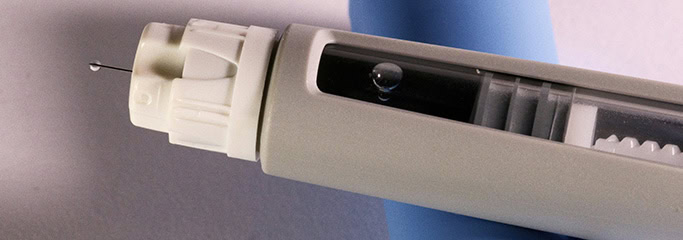
Humira is given as an injection under the skin, which many people learn to do themselves at home. Depending on your condition, you inject it every week or every other week.
Side Effects and Safety Information
Because Humira dials down part of your immune response, the most serious concern is a higher risk of infection. Adalimumab carries a boxed warning about serious infections, including tuberculosis. Your doctor will usually test you for TB before you begin. Like all TNF-blocking medications, Humira carries a boxed warning for malignancies; this includes lymphoma, with particular concern in younger patients.
Report signs of infection, fever, night sweats, a persistent cough, or unusual fatigue, since these need prompt attention.
The most common milder effect is a reaction at the injection site, with redness, swelling, or itching that generally fades. Headaches, rash, and nausea also come up for some people. Rarely, Humira may cause hepatitis B reactivation; demyelinating disease; or worsening heart failure. Live vaccines are best avoided during treatment, so let any provider know you’re on it.
Step 1 – Submit Application
Provide basic prescription and household information to begin the application process.
Step 2 – Application Review
Information is reviewed and submitted to appropriate Patient Assistance Programs.
Step 3 – Program Decision
Final eligibility decisions are made by each program. Additional steps or renewals may be required.
PHN will contact you within 24 hours to discuss your situation and help identify appropriate next steps for the application process.


How it applies / Eligibility
To be eligible, you’ll need to meet all of the following:
- Single patients earning less than $40,000 per year
- Couples making under $60,000 combined yearly
- Households with three or more people bringing in below $100,000 annually
- Active Humira prescription from your healthcare provider
- Proof of U.S. citizenship or legal residency
- Limited or inadequate prescription drug coverage for Humira
Income usually carries the most weight, though it’s read alongside everything else, and each request is settled on its own.

Frequently asked questions (FAQ`s)
The program puts the reason in writing. It usually traces back to income over the cutoff, insurance the manufacturer deems sufficient, or an application that came in missing something. When your income changes or you locate the missing document, you’re free to try again.
Enrollment holds for a year, then needs renewing. You’ll resubmit current income records and your doctor’s confirmation that Humira is still needed, all before the program’s deadline. Let it pass and your participation ends.
A current Glyxambi prescription from a licensed provider, twelve months of household income records, evidence of citizenship or legal residency, and an outline of your drug coverage.
We run the enrollment from front to back, checking that you meet the standards, assembling the paperwork, coordinating with your care team, and handing the manufacturer a finished application.
Humira has no generic, but biosimilar versions of adalimumab are now available. Patients approved through this program receive brand-name Humira.
It comes down to the manufacturer’s workload and how many reviewers are on hand. We stay in touch and pass along updates as they arrive.
They can shift. The manufacturer may adjust an income limit, redefine adequate coverage, or revise another rule as its priorities change. We watch the programs and reach out if a change affects where you stand.
Associated Conditions & Medications

