

Fiasp Patient Assistance Program
Fiasp is a rapid-acting insulin prescribed for adults and children with diabetes to control blood sugar spikes that occur when eating meals. It contains insulin aspart with added niacinamide to speed up absorption, allowing the insulin to start working faster than traditional rapid-acting formulations.
Managing diabetes means dosing insulin precisely around meals to prevent dangerous blood sugar swings. For people with type 1 diabetes, mealtime insulin like Fiasp is essential for survival. Those with type 2 diabetes who require insulin depend on it to keep glucose from reaching damaging levels. Patient Assistance Programs (PAPs) offer a solution for people meeting certain criteria when insurance doesn’t adequately cover their insulin needs.

How Prescription Details Affect Fiasp Assistance Eligibility
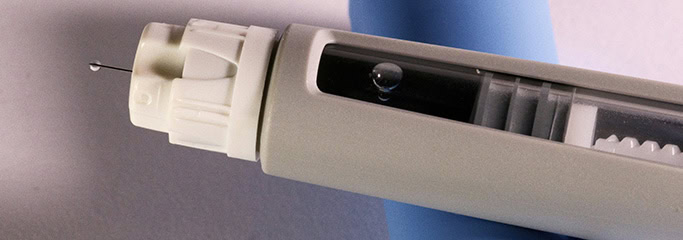
About the Fiasp Patient Assistance Program
Programs are designed for individuals managing diabetes who need help accessing their prescribed mealtime insulin. Getting approved means receiving Fiasp for ongoing use, allowing you to dose appropriately around meals.
Your endocrinologist or primary care physician provides the prescription. You gather documentation showing household earnings annually.
We take over coordination from that point. Your doctor’s office receives our outreach requesting clinical verification manufacturers need. Income records undergo reformatting to meet submission standards. Everything moves forward as one application. We stay informed throughout the review. Medication ships to your residence following approval.
Keep in mind that approval is not guaranteed and depends on satisfying program requirements.
How Fiasp Works
When you eat, carbohydrates break down into glucose that enters your bloodstream quickly. In people without diabetes, the pancreas responds immediately by releasing insulin. People with diabetes either don’t produce enough insulin or their bodies don’t use it effectively.
Fiasp begins working within minutes of injection.
The added niacinamide helps insulin aspart absorb faster than older rapid-acting insulins. This quicker onset means you can inject right before eating or within 20 minutes after starting a meal. The insulin peaks about one to three hours after injection.
You calculate each dose based on what you’re eating, your current blood sugar, and the insulin-to-carbohydrate ratio your healthcare team determined. Injection sites should rotate regularly to prevent tissue problems.
Side Effects and Safety Information
All insulin carries hypoglycemia risk when you take more than your body needs. Warning signs include shakiness, sweating, confusion, rapid heartbeat, and dizziness. Severe episodes can progress to seizures or loss of consciousness.
Keeping glucose tablets or juice accessible becomes critical when using rapid-acting insulin.
Injection sites may develop redness, swelling, or itching. Repeatedly using the same spot causes lipodystrophy, where fat tissue breaks down or builds up in lumps. Weight gain sometimes occurs as your body begins using glucose efficiently. Potassium levels can drop when starting insulin; if untreated, low potassium may lead to dangerous respiratory and cardiac problems.
Insulin errors pose serious dangers. Confusing Fiasp with long-acting insulin or miscalculating your dose can cause life-threatening blood sugar swings.
Step 1 – Submit Application
Provide basic prescription and household information to begin the application process.
Step 2 – Application Review
Information is reviewed and submitted to appropriate Patient Assistance Programs.
Step 3 – Program Decision
Final eligibility decisions are made by each program. Additional steps or renewals may be required.
PHN will contact you within 24 hours to discuss your situation and help identify appropriate next steps for the application process.


How it applies / Eligibility
Manufacturers evaluate applications against established criteria. Qualification requires meeting several standards:
- Single patients earning less than $40,000 per year
- Couples making under $60,000 combined yearly
- Households with three or more people bringing in below $100,000 annually
- Active Fiasp prescription from your healthcare provider
- Proof of U.S. citizenship or legal residency
- Limited or inadequate prescription drug coverage for Fiasp
Your household income plays an important role but it’s not the sole reason you are approved or denied. Manufacturers consider multiple elements together. Each submission receives individual attention.

Frequently asked questions (FAQ`s)
Written notifications explain why manufacturers couldn’t approve your request. Common causes include earnings exceeding caps, existing insurance they view as adequate, or missing documentation. You can reapply if your income changes or you obtain missing paperwork.
Staying enrolled requires demonstrating continued eligibility annually. This involves updated income verification and physician confirmation that Fiasp remains appropriate. Missing deadlines results in program removal.
You’ll need your current Fiasp prescription, household income documentation spanning twelve months, proof of citizenship or legal residency, and information about prescription drug coverage.
We oversee enrollment, confirming you meet standards, compiling documentation, coordinating with healthcare providers, and ensuring organized applications reach manufacturers.
Biosimilar insulin products exist, though direct generic equivalents may not be available. Programs supply brand-name Fiasp to approved individuals.
Processing timelines fluctuate based on application volume and staffing. We maintain communication with manufacturers and relay updates as they become available.
Program criteria can be revised when manufacturers determine changes are warranted. Income limits might shift, coverage definitions might evolve, or other factors might adjust. We monitor programs and notify participants when changes affect eligibility.

