

EpiPen Patient Assistance Program
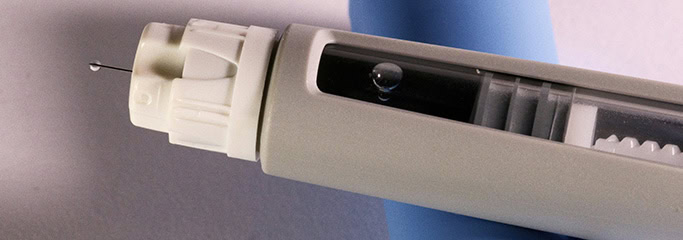
EpiPen is a device prescribed for adults and children at risk of severe allergic reactions called anaphylaxis. It delivers a pre-measured dose of epinephrine to treat life-threatening allergic emergencies and belongs to a class of medications called emergency allergy treatments.
Severe allergies mean carrying epinephrine everywhere you go, every single day, in case exposure triggers anaphylaxis. These devices expire annually and must be replaced whether you’ve used them or not. For that reason, Patient Assistance Programs (PAPs) exist to help people whose insurance doesn’t adequately cover this potentially life-saving medication.

How Prescription Details Affect EpiPen Assistance Eligibility
About the EpiPen Patient Assistance Program
PAPs offer support for those who need epinephrine auto-injectors but struggle with accessing them for various reasons.
You’ll need a prescription from your allergist or primary care doctor specifying how many devices you should carry, along with documentation of household earnings.
Working with Patient Help Network means we take over everything that follows. Our staff reaches out to your prescribing physician to get medical verification needed, prepares your financial information properly, files your application, and keeps track of its progress. If approved, devices ship directly to your front door.
How EpiPen Works
Anaphylaxis happens when your immune system overreacts to an allergen, releasing chemicals that can cause your blood pressure to drop suddenly and your airways to narrow dangerously. This can progress within minutes, making immediate treatment critical. EpiPen delivers epinephrine directly into your thigh muscle through your clothing if necessary.
Epinephrine reverses anaphylaxis symptoms by constricting blood vessels to raise blood pressure, relaxing airway muscles to improve breathing, and reducing swelling.
You carry EpiPen with you at all times if you’re at risk for severe allergic reactions. At the first signs of anaphylaxis like throat tightness, difficulty breathing, hives spreading rapidly, or feeling faint, you inject it into the outer thigh and hold it there for three seconds. Call 911 immediately after injecting because anaphylaxis can return after epinephrine wears off.
Side Effects and Safety Information
Epinephrine affects your entire cardiovascular system. Your heart will beat faster and harder after injection, which is expected and necessary to counteract anaphylaxis. You might feel anxious, shaky, or jittery. Headache, dizziness, nausea, sweating, and paleness happen commonly.
These effects typically fade as the medication wears off.
Accidentally injecting into your hands or feet instead of your thigh can reduce blood flow to those areas. People with heart conditions may experience chest pain, irregular heartbeat, or dangerous blood pressure increases. Check your EpiPen monthly to make sure the solution is clear and colorless. If it’s brown, cloudy, or contains particles, it needs replacing immediately. Store devices at room temperature, never in cars where temperatures fluctuate.
Step 1 – Submit Application
Provide basic prescription and household information to begin the application process.
Step 2 – Application Review
Information is reviewed and submitted to appropriate Patient Assistance Programs.
Step 3 – Program Decision
Final eligibility decisions are made by each program. Additional steps or renewals may be required.
PHN will contact you within 24 hours to discuss your situation and help identify appropriate next steps for the application process.


How it applies / Eligibility
Patient assistance programs evaluate applications based on specific eligibility criteria. To be eligible, a person must meet these requirements:
- Single patients earning less than $40,000 per year
- Couples making under $60,000 combined yearly
- Households with three or more people bringing in below $100,000 annually
- Active EpiPen prescription from your healthcare provider
- Proof of U.S. citizenship or legal residency
- Limited or inadequate prescription drug coverage for EpiPen
Income represents only one factor among several that manufacturers consider.
Each program weighs different criteria when deciding who qualifies, and every application gets evaluated individually. Some programs maintain waiting lists depending on available capacity, so applying early improves your chances of timely enrollment.

Frequently asked questions (FAQ`s)
The manufacturer will send a letter explaining why they couldn’t approve your application. The most common reasons involve earnings that exceed what the program allows, insurance they consider sufficient, or paperwork that’s incomplete. You can try again if your income drops, your coverage changes, or you can provide documents that were missing.
You’ll need to renew annually to keep receiving devices through the program. This means sending updated income information and getting your doctor to verify your prescription is still current. If you don’t renew on time, you’ll lose access and have to submit a completely new application.
Your application requires a current prescription for EpiPen from a licensed healthcare provider, proof of your household’s total yearly income, documentation showing you’re a U.S. citizen or legal resident, and information about any prescription coverage you have.
Patient Help Network manages your entire application process. We check that you meet basic program requirements, collect every document needed, work with your doctor’s office to get required approvals, and submit everything to the manufacturer.
Generic epinephrine auto-injectors exist, though the program specifically covers brand-name EpiPen and EpiPen Jr for people who qualify.
How long they take to review applications varies depending on how many they’re processing. Patient Help Network keeps in touch with them about applications we’ve submitted and updates you as things move forward.
They can change program rules at any time, including adjusting who qualifies based on income or what insurance coverage they accept. Patient Help Network watches for these changes and lets applicants know when something shifts that could affect eligibility.

