


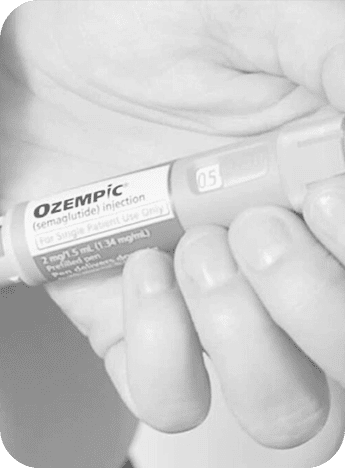
Prescription medications can be expensive, especially for patients without insurance or with high out-of-pocket costs. Many people delay or skip treatment because they simply cannot afford their prescriptions. The good news is that there are several ways to reduce costs — and in some cases, get medications for free.
Patient Assistance Programs (PAP)
One of the most effective ways to lower medication costs is through Patient Assistance Programs. These programs are offered by pharmaceutical manufacturers to help eligible patients access medications at little or no cost.
Eligibility requirements vary, but many programs are designed for people who are uninsured or whose insurance does not fully cover their prescriptions.
Prescription Coupons and Discount Cards
Coupons and discount cards can help reduce medication prices at pharmacies. These discounts are usually applied at checkout and can lower the cost significantly in some cases.
However, coupon prices may vary depending on the pharmacy, location, and availability, and they often do not eliminate the cost entirely.
Insurance and Medicare Options
If you have insurance, reviewing your coverage can help you understand your out-of-pocket costs. Some plans offer better pricing depending on the medication or pharmacy.
Patients with Medicare or other government programs may also have access to additional support options.
Nonprofit and Assistance Resources
There are organizations that help patients find financial support for medications. These resources can connect you with available programs or provide guidance on lowering your costs.
Conclusion
If you are struggling to afford your prescriptions, patient assistance programs are often the most reliable long-term solution. They can provide ongoing access to the medications you need without the uncertainty of fluctuating prices

